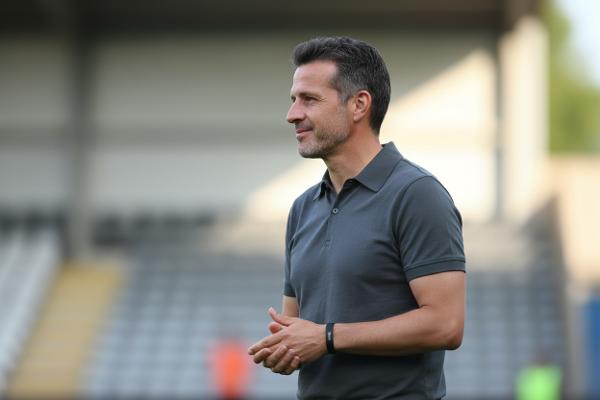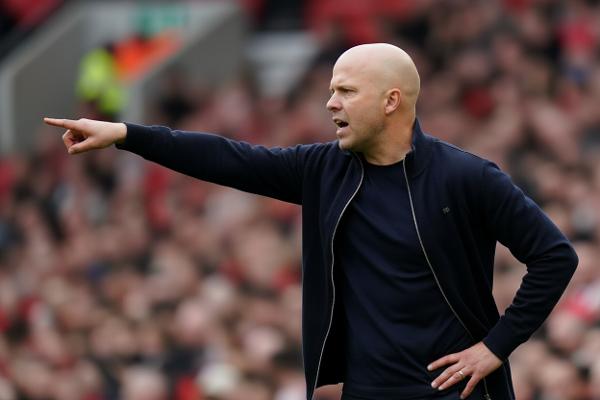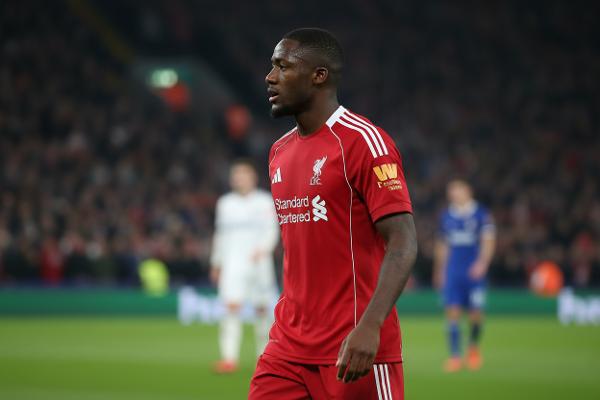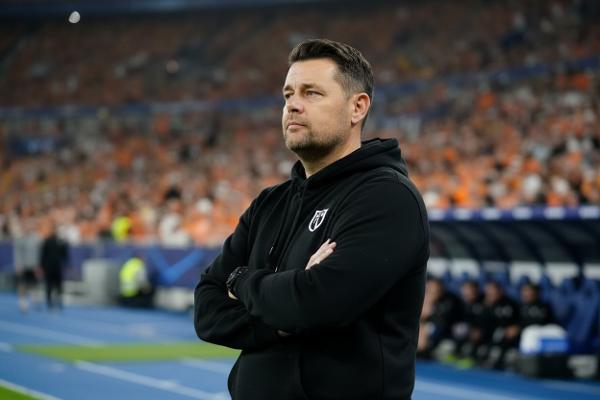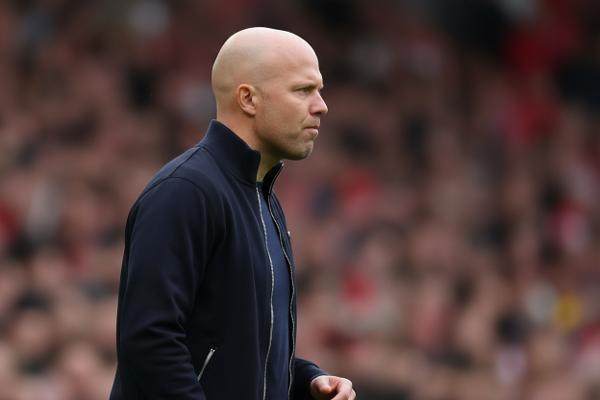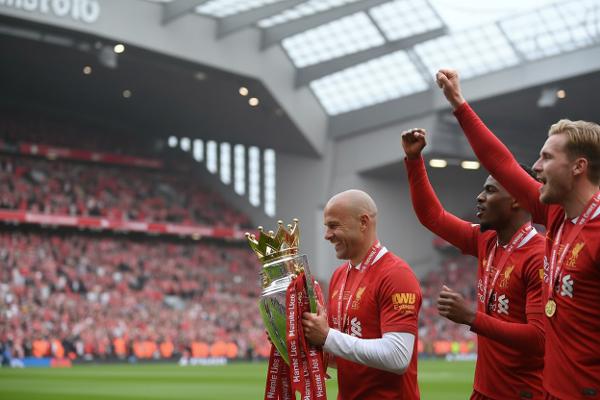
Slot's first season in charge was a success, but it was not just a result of inheriting a good team. He made significant changes to the way the team played, introducing a more positional and patient style that was more characteristic of Dutch football.
This approach was successful at times, but when the team struggled, it was seen as passive and lacking the intensity that had defined Liverpool under Klopp.
Slot also had to navigate the team through a difficult period after the passing of Diogo Jota, which was a significant blow to the team's morale and performance.
Despite this, Slot guided the team to Champions League qualification, although he acknowledged that it was with a bit of luck.
The summer of 2025 saw significant investment in the team, but it did not necessarily lead to success on the pitch. Heavy spending can disrupt the team's chemistry and make it difficult to establish a clear tactical identity.
Slot was caught in this bind, trying to introduce new ideas while meeting the high expectations of the club and its fans.
The pressure to succeed at the top level is immense, and Slot's departure may be a reflection of the high standards expected at Liverpool.
However, it's also worth considering the broader context of succession in football. Slot's tenure was a transition period, and he helped keep the team stable during a difficult time.
He will not be remembered as a failure, but rather as the manager who helped bridge the gap after Klopp's departure and Jota's passing.
Slot's legacy at Liverpool is complex, marked by both success and criticism. His departure marks the end of an era, and it will be interesting to see how the team evolves under new leadership.